A live trailer has one job: to show, in about a minute, how a band comes across on stage. Promoters, agencies and bookers usually only take a short look at what you send them. What they see and hear in those seconds decides whether they click away or get in touch.
The short answer
A good live trailer runs 60 to 90 seconds, opens with a strong moment and shows three things: the band up close, the size of the stage and the room, and an audience that is with you. Underneath sits sound that is recognisably your music, not phone video. Name, contact and tour dates go at the end, not the beginning.
First: what is the trailer for?
Before we shoot, we ask where the trailer will be used. That decides which moments we look for on the night and how we cut.
- Booking: Whoever is meant to book you wants to see that you fill a room and take the audience with you. Wide shots with the crowd and reactions from the front row matter more here than any detail.
- Tour or a special show: The energy of the night counts, plus dates and venues at the end.
- Website and social media: The first seconds have to work without sound, and next to the main version you often need shorter vertical cuts.
Three examples
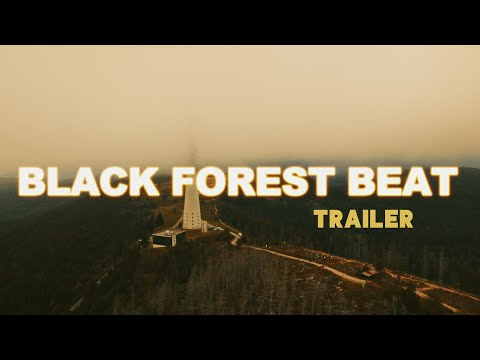
Three of our own projects show how different a trailer looks depending on its purpose. The live teaser for John Home, shot at the Rheingold in Karlsruhe, is a classic booking trailer at just over 90 seconds: one band, one night, close up. The tour trailer for Music & Stories with Uriah Heep, Wishbone Ash and Nazareth runs a little over two minutes, because it had to introduce three bands and the idea behind a whole show. How that trailer came together in 48 hours is in the case study. Zweierpasch show a third route: the trailer for the “Black Forest Beat” summit concert on the Hornisgrinde, at 1,164 metres. No hall and no stage in the usual sense – the place itself becomes part of the picture. Locations like that need lead time, though: filming permits from the municipalities, access for equipment and crew, and their own power supply – on the summit, solar power.
For John Home and Zweierpasch, the trailer wasn’t made on its own: from the same shoot we cut both a full concert film and a trailer. That is often the most economical option, because cameras and crew are on site anyway. Music & Stories was the exception – there, the brief was the tour trailer plus clips for the video screen at the following shows.


The first seconds decide
A trailer that opens with a logo, a title card or a slow build loses a lot of viewers before the band is even on screen. So we usually open with the strongest image the night has to offer: the chorus the whole room sings along to, the jump off the edge of the stage, the moment the lights go up. The band name can be shown without slowing the opening down.
Which moments belong in it
A trailer doesn't retell the whole concert. It condenses it into a few images that together give a clear picture of you:
- The wide shot: Stage, lights and audience in one frame, fixed or moving. It shows the scale you play at.
- Closeness: Faces, hands on instruments, looks between band members. This is where the connection to the band happens.
- The audience: Hands in the air, singing along, dancing. For booking, this is often the most convincing image of all.
- A quiet moment: A short contrast, such as a soft intro or a solo, makes the loud parts after it hit harder.
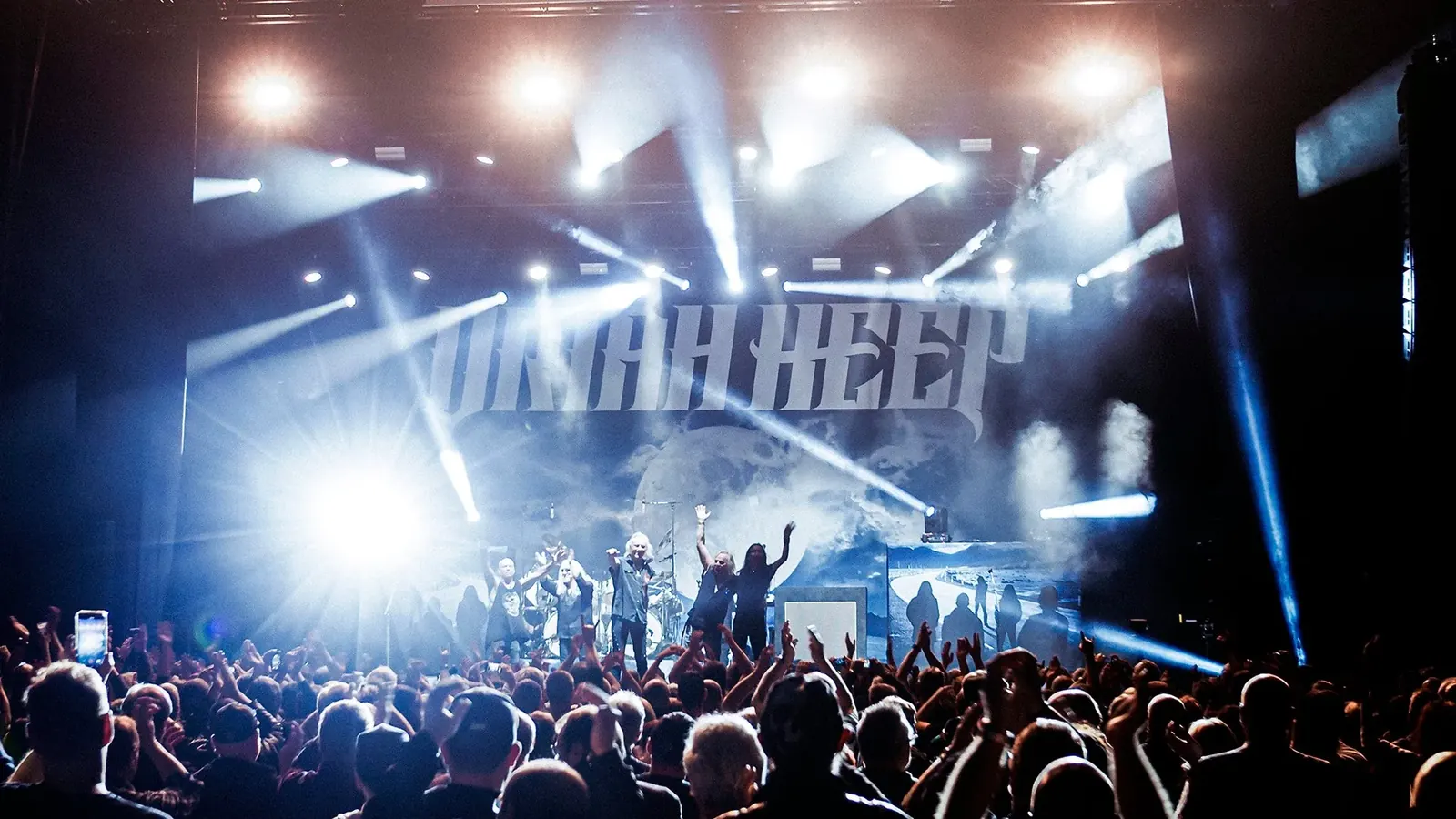
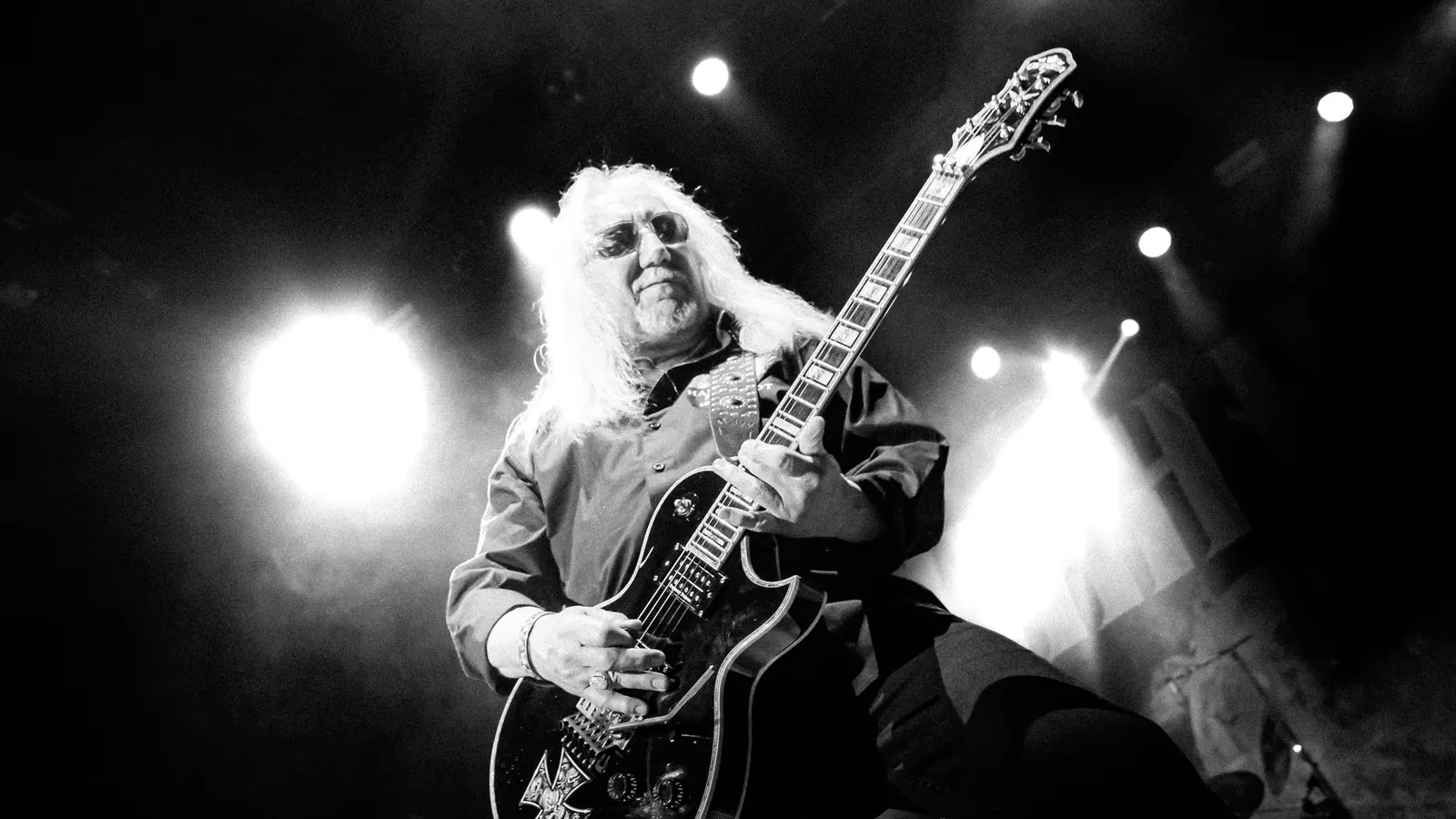
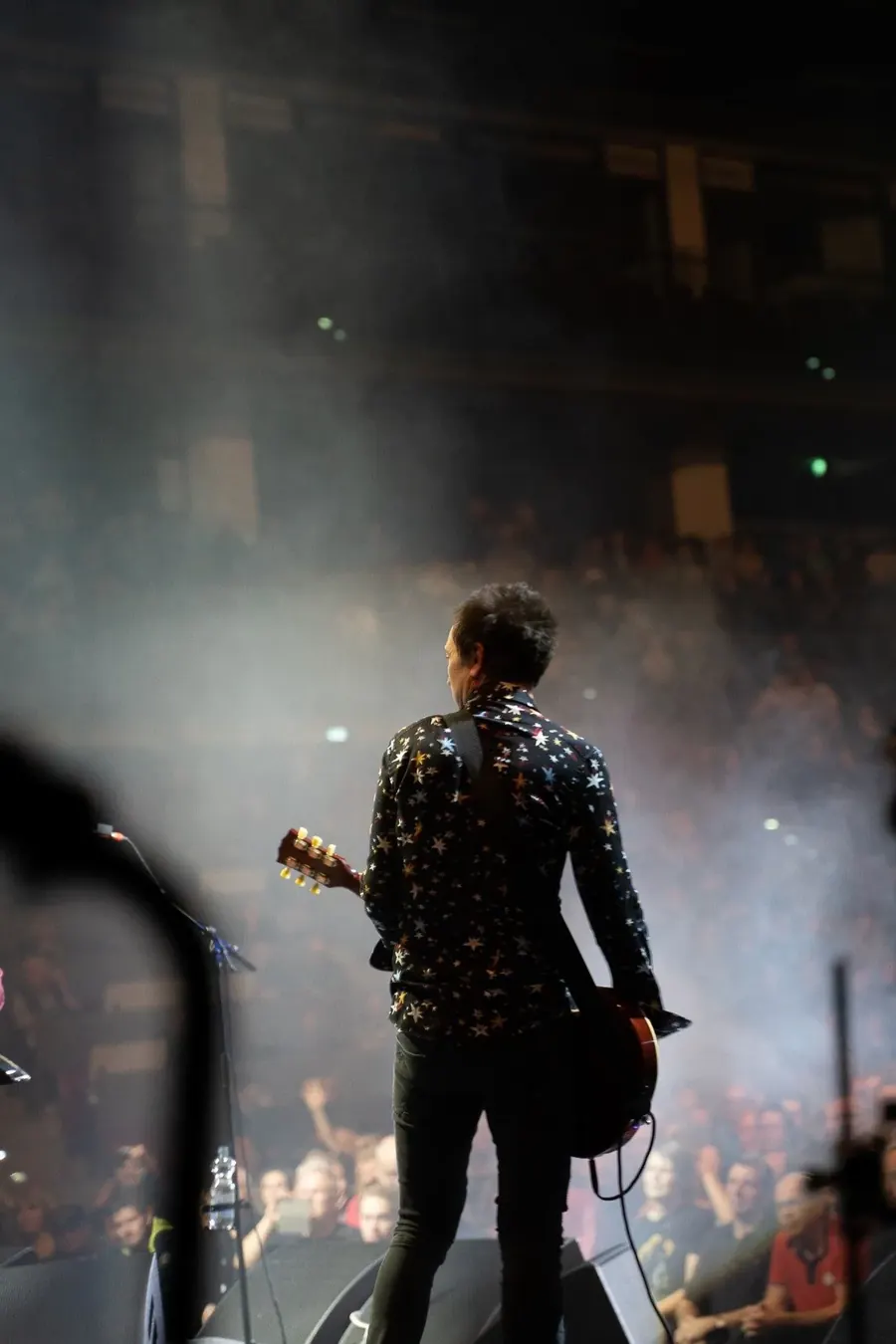
How many of these images can be captured at the same time depends on the number of cameras. For club shows, one moving camera close to the band can be enough. A few fixed cameras are almost always worth adding, for example for the wide shot or the view over the band into the crowd. If the budget allows, one or more additional moving cameras give even more options in the edit.
The sound matters just as much
Many live videos don't fail on the picture but on the sound. A camera microphone mainly picks up the room and the bass and is too thin for 60 to 90 seconds of music. We only use it as a last resort. For the trailer there are essentially two routes:
- The live sound of the night: a multitrack recording with every instrument on its own track – taken straight from the digital desk or recorded with our own gear. We then handle the mixing and mastering ourselves, so the trailer sounds like your show, not like the room. The recording can be used for more than the trailer, too, for example a live album.
- The studio version: If you already have the song as a studio recording, it can go under the picture. The timing then has to match the picture, otherwise it shows.
We work out which option fits in the initial conversation, because it depends on what is technically available on the night. To keep the crowd and the room audible, we also set up our own audience microphones and blend them in.
One song or several?
A trailer can follow a single song or string several songs together. A single song is easier to follow and feels coherent. Several songs show how varied your set is, but need clean transitions. So we ask beforehand what the trailer should show and choose accordingly.
What to leave out
- Long intros and end credits: Logo animations and title cards at the start cost the most important seconds.
- Too many effects: Slow motion, transitions and filters distract from the band. A few well-placed slow-motion shots can work, but not as a constant.
- Empty corners: Shots of half-empty rows or an empty room weaken exactly what the trailer is meant to show.
- Other people's songs: With cover versions, YouTube and other platforms can block the video or assign its revenue to the rights holder. With your own songs, that problem doesn't exist.
One trailer from several shows
A trailer doesn't have to come from a single night. A club show, a town festival and a festival stage cut together show the situations you play in, and that you work in each of them. What matters then is sound that holds together across all the shows.
Checklist for the night of the shoot
- Agree with the promoter that you'll be filming and where cameras may stand
- Talk about the lights: pure red or blue makes faces disappear on video quickly, a little white light on faces helps
- Name the songs that should appear in the trailer, so the cameras are in the right place at the right time
- Decide on the audio source: live multitrack recording (from the desk or with our own gear) or the studio version
- Pick a night where the audience is likely to be with you
What a live trailer costs
With us, a live trailer is built from the same pieces as a concert film: camera operators on the night and editing days in the studio. With one moving camera and two editing days it starts at €2,350 incl. VAT, with two moving and two fixed cameras at €3,500. All packages and what's in them are on our live trailer page. If whole songs or the full show should be captured, a concert film is the better format – and the trailer can then be cut from the same shoot.
In short
- 60 to 90 seconds, opening with the strongest moment
- Wide shot, closeness and audience – for booking, the audience is often the key image
- Camera audio isn't enough: live multitrack recording with mixing and mastering, or the studio version
- Few effects, no long intros, no other people's songs
Frequently asked questions
Your next show as a trailer?
Tell us when and where you're playing and what you need the trailer for. We'll get back to you within 24 hours.
See live trailers